- Online only
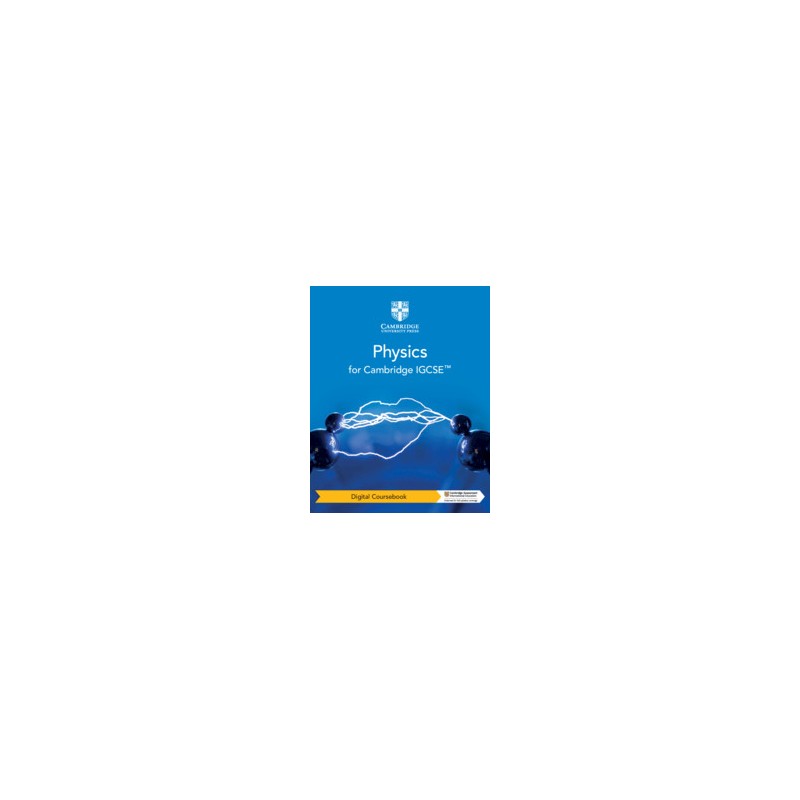

These flexible resources have a skills development focus to help prepare the scientists of the future. Choose which components you need from our comprehensive series, comprising a coursebook, teacher's resource, workbook, practical workbook, and English language skills workbook and maths skills workbook. The series supports students learning science in English as a second language; learners who need more support with mathematical content in science; the development of essential practical skills; and the building of confidence with command terms and exam-style questions.
New editions for examination from 2023. We are working towards endorsement by Cambridge Assessment International Education, so you can be confident this series supports the syllabus.These flexible resources have a skills development focus to help prepare the scientists of the future. Choose which components you need from our comprehensive series, comprising a coursebook, teacher's resource, workbook, practical workbook, and English language skills workbook and maths skills workbook (coming in 2022).Through extensive research, including lesson observations, teacher interviews and work with our online research community (the Cambridge Panel) these resources have been designed to meet specific challenges through targeted support and the creation of dedicated components that focus on specific skills areas. The series supports students learning science in English as a second language; learners who need more support with mathematical content in science; the development of essential practical skills; and the building of confidence with command terms and exam-style questions.
This digital coursebook has been developed from extensive research through lesson observations, interviews and work with our research community (the Cambridge Panel) to meet specific needs. Activities and exercises develop students’ essential skills, including practical work. English as a second language learners are supported with command terms, accessible language and glossary definitions. Exam-style questions build student confidence. Projects provide opportunities for assessment for learning, cross-curricular learning and developing skills for life. There are multiple opportunities to engage in active learning, from scripting a podcast, to discussions and debates. In each chapter students are given the chance to reflect on their work, helping them become responsible, independent learners, thinking not just ‘what’ they did well or not well, but ‘why’ and ‘how’ they came up with the answer they did, and how they might improve this in future. Regular self-assessment and peer-assessment features, give students the opportunity to assess their own work or the work of their peers in relation to the learning objectives and learn from one another.
Features
CONTENTS
How to use this series
How to use this book
Introduction
Data sheet
Specific References
These flexible resources have a skills development focus to help prepare the scientists of the future. Choose which components you need from our comprehensive series, comprising a coursebook, teacher's resource, workbook, practical workbook, and English language skills workbook and maths skills workbook. The series supports students learning science in English as a second language; learners who need more support with mathematical content in science; the development of essential practical skills; and the building of confidence with command terms and exam-style questions.